
By Huzaifa Shahid, Founder·May 05, 2026

A professional business website takes 6 to 10 weeks to develop in 2026 under normal conditions, while e-commerce and enterprise builds can stretch from 10 to 24 weeks or more. That is the short answer — but the real answer depends on who you are building for, how complex the functionality is, how prepared your team is with content, and which platform and development partner you choose.
If you have ever planned a website launch — whether you run a startup in the US, an agency in the UK, or a growing SME in the UAE — you already know the timeline question is never answered with a single number. Underestimate it and your marketing calendar collapses. Overestimate it and you burn budget waiting.
In 2026, website development timelines have shifted considerably. AI-assisted design workflows, component-based development, and headless CMS architectures mean some business websites go live faster than ever before. At the same time, rising standards for performance, accessibility, and Core Web Vitals mean the bar for "launch-ready" is higher than it has ever been.
This complete guide breaks down every stage of professional business website development — from the first discovery call to post-launch monitoring — so you can plan your project with realistic expectations, avoid the most common delays, and launch on schedule.
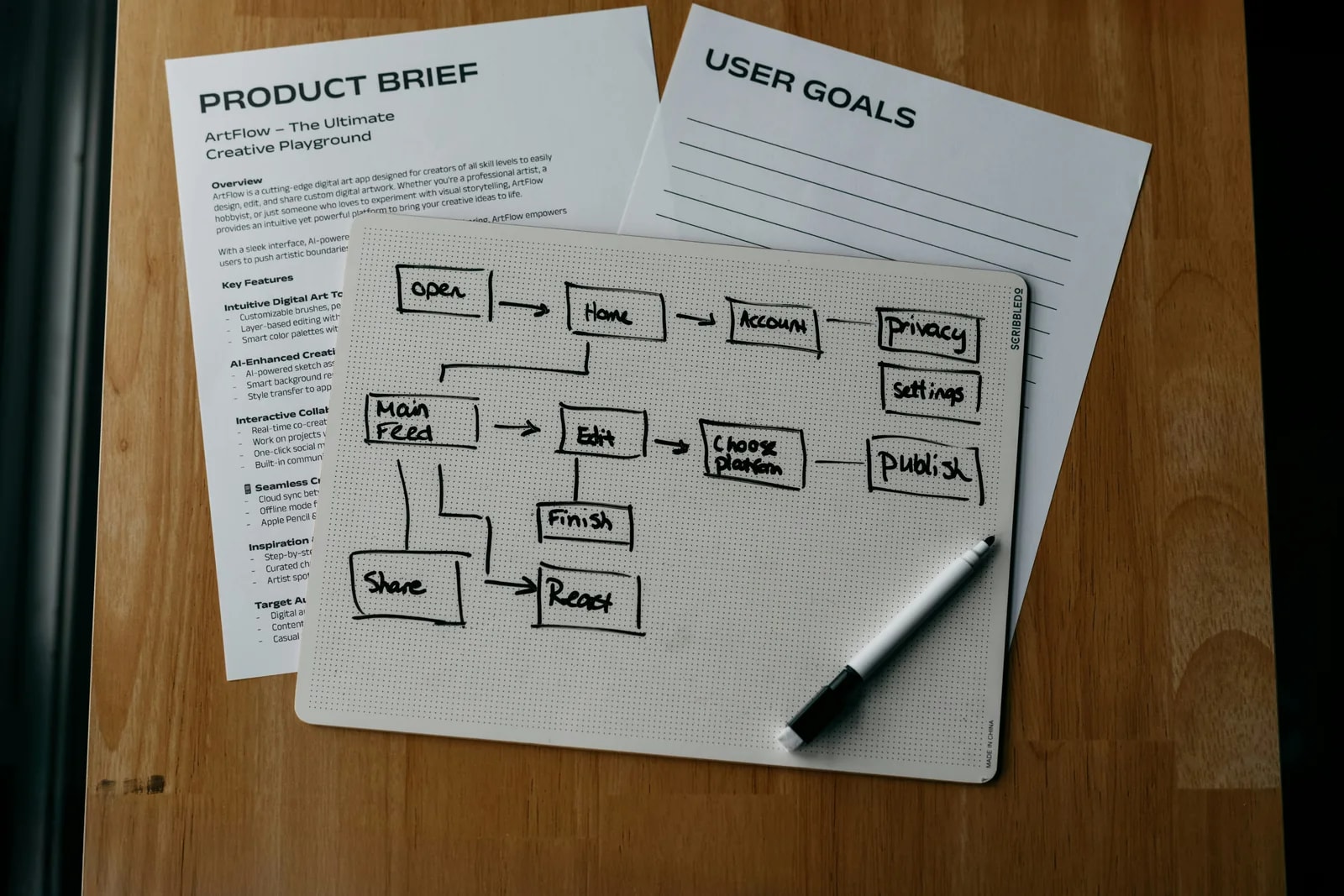

Not every business website is created equal. A five-page brochure site for a local service provider and a multi-department, multilingual corporate website for a mid-sized enterprise are both technically "business websites" — but they live in completely different worlds when it comes to effort, cost, and development time.
Understanding what actually drives a website development timeline is the first step toward setting a realistic launch date. The same project quoted at 6 weeks by one agency and 14 weeks by another usually comes down to differences in these variables — not differences in skill.
The main factors that drive website development timeline variation include:
Understanding these variables before you start is the single best thing you can do to keep your website development project on track — and to compare quotes from agencies and freelancers on a like-for-like basis.
Here is a practical, real-world breakdown of typical website development timelines based on the most common types of business websites being built in 2026 across global markets:
| Website Type | Typical Timeline | Pages / Complexity | Best For |
|---|---|---|---|
| Simple brochure site | 2 – 4 weeks | 5 – 10 pages, minimal features | Startups, local businesses, solo professionals |
| Standard business website | 6 – 10 weeks | 10 – 25 pages, CMS, basic integrations | SMEs, agencies, professional service firms |
| E-commerce website | 10 – 16 weeks | Product catalog, payments, inventory | Retail, D2C brands, wholesalers |
| Enterprise / corporate site | 16 – 24+ weeks | Multi-department, multilingual, API-heavy | Large organizations, regulated industries |
| Custom web application | 20 – 36+ weeks | Bespoke functionality, user dashboards | SaaS platforms, fintech, healthcare portals |
These are realistic working estimates drawn from real agency delivery data — not optimistic sales projections. Delays in feedback, mid-project scope additions, and content readiness issues can push any of these website development timelines back by weeks, regardless of how skilled the team is.

Every professional website development engagement follows a recognizable sequence of stages. Some agencies bundle these phases differently or run them in parallel, but the core work remains the same whether you are building in New York, London, or Dubai. Knowing what happens at each stage helps you hold your development partner accountable and spot delays before they compound.
This is where the project actually begins — not in Figma, not in a code editor, but in structured conversations about business goals, target audience, and technical constraints. Good discovery is the cheapest insurance you can buy: it prevents expensive course corrections later and gives every subsequent stage a clear brief to work against.
With the plan in place, designers build out low-fidelity wireframes and then full visual mockups. In 2026, most professional teams use AI-assisted layout tools that dramatically speed up early iteration — but human design judgment still determines whether the final product actually converts visitors into leads and customers.
Revision cycles are the single most common source of design phase delays. Clients who provide clear, consolidated feedback in one pass — rather than piecemeal notes spread across days — dramatically shorten this stage and protect their launch date.
This is where approved designs are translated into a fast, functional, search-engine-friendly website. Front-end developers build the visual layer with clean, performant code, while back-end developers handle databases, CMS configuration, security, and integrations.
Even a perfectly built business website development project can stall here if content is not ready. Copywriting, image sourcing, and on-page SEO all need to be completed before the site can go live — and this stage is the most frequently underestimated in the entire process.
Nothing goes live without a thorough QA pass. Professional testing catches broken links, layout issues across devices, form failures, slow page loads, security gaps, and accessibility problems — all the issues that quietly destroy conversion rates and search rankings after launch.
The go-live moment is not the end of the project. DNS migration, 301 redirects, Google Analytics and Search Console configuration, and early performance monitoring all happen in this phase. Smart teams also schedule a post-launch review 2 to 4 weeks after launch to catch real-user issues, verify search indexing, and plan the first round of conversion optimization.
Even well-resourced website development projects run into delays. Here are the most common culprits seen across global projects — and exactly how to get ahead of each one:
| Delay Factor | How Common | How to Prevent It |
|---|---|---|
| Content not ready on time | Very common | Finalize copy and assets before development starts |
| Scope creep mid-project | Common | Agree on a strict change-control process upfront |
| Slow client feedback rounds | Very common | Set hard deadlines for review and sign-off at each stage |
| Third-party integration issues | Occasional | Test integrations early; never leave them for QA week |
| Key decision-maker unavailability | Occasional | Identify a single point of contact with approval authority |
| Platform or tech stack changes | Rare but costly | Lock in the platform decision during discovery, not mid-build |

Choosing an experienced website development team is not just about quality — it directly determines how long your project takes and whether your launch date holds. A seasoned team brings reusable component libraries, proven project management workflows, performance-first coding standards, and clear communication systems that junior teams and bargain providers simply do not have.
In 2026, the most effective web development teams — whether based in the US, UK, Europe, or fast-growing tech hubs across Asia and the Middle East — are those that blend human design expertise with smart automation. They use AI to accelerate early-stage prototyping, content structuring, and repetitive build tasks, but rely on experienced human judgment for architecture decisions, brand alignment, SEO strategy, and accessibility compliance.
When evaluating a website development partner, look for:
The team structure you choose has a significant impact on website development timeline, quality, and coordination overhead. Here is how the three main options compare for businesses worldwide:
| Build Approach | Avg. Timeline | Best For | Main Risk |
|---|---|---|---|
| In-house team | Longer (other priorities compete) | Organizations with existing dev capacity | Competing workloads, slower delivery pace |
| Full-service agency | Structured and predictable | Mid-to-large business websites | Higher overhead, less day-to-day flexibility |
| Freelance specialist | Fast for small scopes | Brochure sites, landing pages, solo projects | Availability gaps, less accountability |
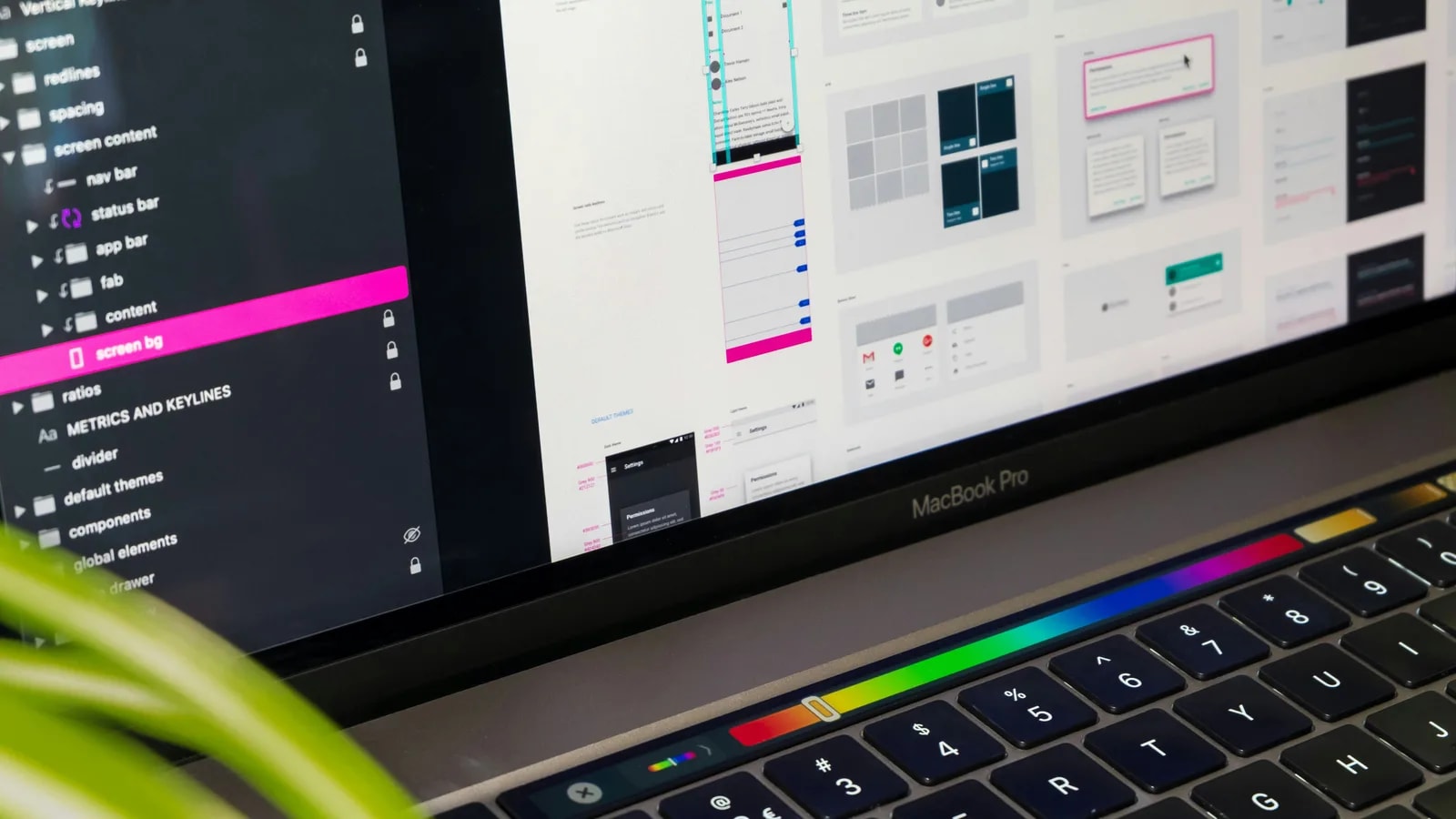
The website development landscape in 2026 looks noticeably different from just two years ago. Several global trends are actively reshaping how long professional projects take — and what clients should expect from any serious development partner:
There is no single universal answer to how long professional website development takes — but there is a correct way to figure it out for your specific situation. Start with an honest assessment of your project complexity, your content readiness, and the experience level of the team you are hiring. Then build a plan that includes realistic buffers for real-world delays instead of optimistic best-case scenarios.
In 2026, the companies that consistently launch high-performing business websites on schedule are not the ones with the biggest budgets — they are the ones that plan properly during discovery, pick the right development partners, provide consolidated feedback on time, and respect the process. That combination delivers a website that launches on time, ranks on search engines, and generates leads from day one.
Professional website development for a standard business website typically takes 6 to 10 weeks from discovery to launch. The exact timeline depends on the number of pages, features and integrations required, design revision rounds, and — most importantly — how quickly content and client feedback are delivered at each stage.
Website development timelines depend on project complexity, number of pages and templates, CMS and third-party integrations, design revision cycles, content availability, and the experience of the development team. Larger e-commerce builds and custom web applications require more time due to advanced functionality, payment systems, and additional security and QA testing.
A simple business website with 5 to 10 pages and minimal custom features can be completed in 2 to 4 weeks through a streamlined website development process — provided the content, branding, and feedback are delivered without delays. Anything promised in under a week is usually a template with minimal customization.
Quality assurance and testing in professional website development usually takes 1 to 2 weeks. This covers cross-browser and cross-device testing, form and checkout functionality, page speed and Core Web Vitals audits, security verification, and final stakeholder sign-off before the site goes live.
Most professional website development services include post-launch support covering bug fixes, security updates, backups, and performance monitoring — typically for 30 to 90 days, with ongoing maintenance plans available afterward. Always confirm what post-launch support is included in writing before signing any development contract.


Sep 22, 2026
Facial recognition privacy rules in 2026 explained: BIPA, CCPA, EU AI Act, consent, retention, safer alternatives and a practical implementation checklist.
By Muhammad Hamza · CTO

Your trusted partner in innovative web solutions, delivering tailored development, design, and marketing services to elevate your digital presence and business growth.
info@clyrixdigital.com
© 2026 Clyrix Digital. All rights reserved.