By Huzaifa Shahid, Founder·May 04, 2026

You launched the campaign. The clicks are coming in. But the sales? Not so much. In most underperforming Google Ads accounts, the problem is not the ads at all — it is where people land after they click. Poor message match, slow load times, weak calls to action, and missing trust signals quietly destroy conversion rates while the ad budget keeps burning.
Running paid ads without an optimized landing page is like pouring water into a bucket full of holes. You are paying for every single click — whether you advertise in the US, UK, UAE, or anywhere else — and if your landing page is not doing its job, you are essentially paying Google to send visitors who bounce straight back to the search results.
The frustrating part? Most of these landing page mistakes are completely fixable. They are not complicated algorithm problems or sophisticated bid strategy failures. They are fundamental landing page optimization errors that get missed because most advertisers obsess over the ad itself and ignore everything that happens after someone clicks it.
This guide breaks down the most costly landing page mistakes draining ad budgets in 2026, and shows how a proper PPC audit — one that covers the full click-to-conversion funnel — can finally stop the bleed.
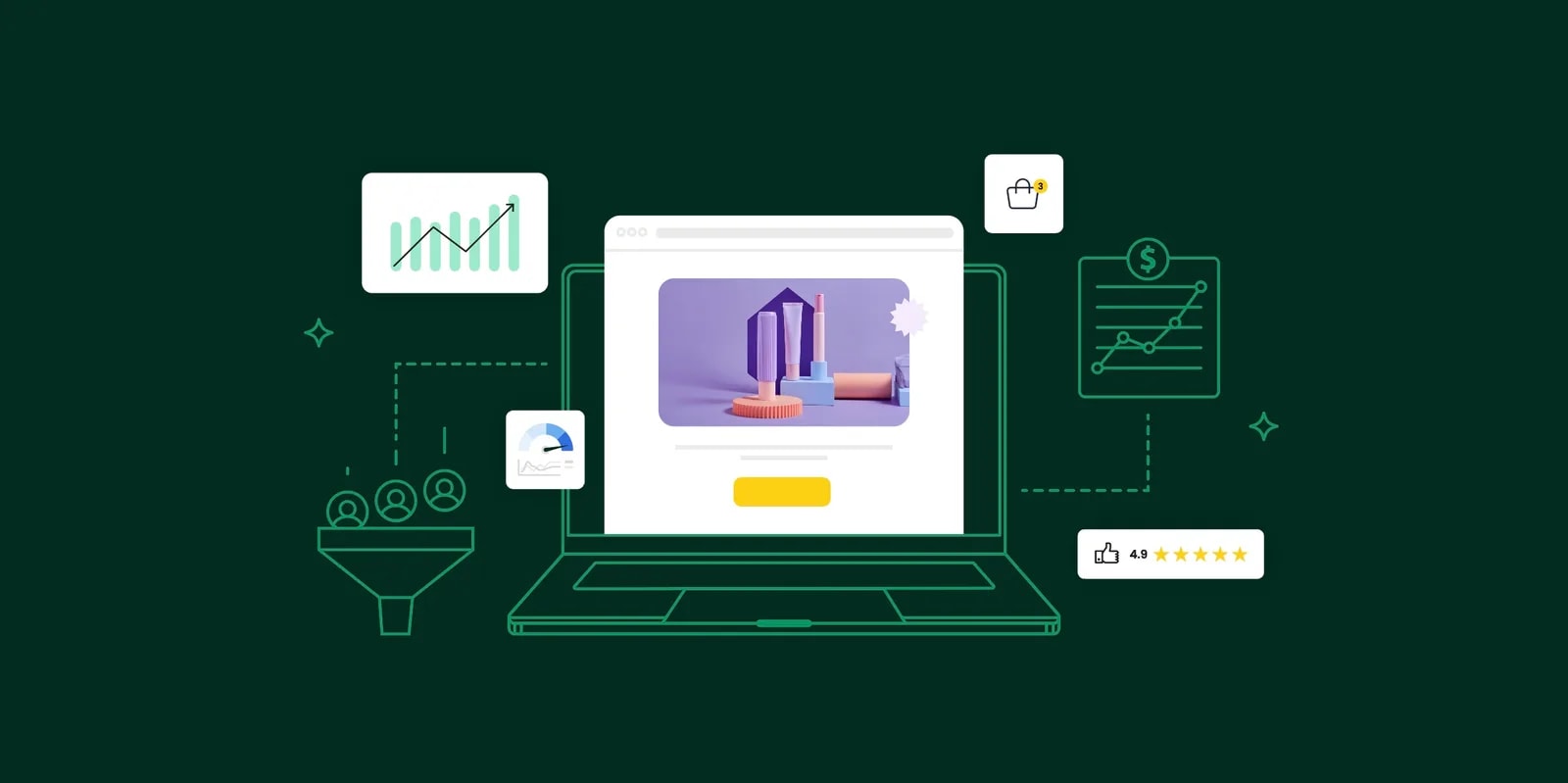
There is a fundamental difference between a page that works for organic visitors and one built for someone who just clicked a paid ad. Organic visitors browse. They explore, compare, and come back later. Paid traffic is completely different — these are people in a decision-making moment. They clicked because your ad promised them a specific answer or offer. If your page does not deliver on that exact promise within the first three seconds, they are gone — and you paid for the privilege.
This is the core principle of landing page optimization for paid campaigns: your page should have one job. Not five. Not even two. One clear action, one clear message, one compelling reason to stay and convert.
One of the sneakiest conversion killers is a mismatch between your ad copy and your landing page headline. If your Google Ad says "Get 50% off your first month" and your landing page opens with a generic product overview — you have already lost the visitor. They expected continuity. They got confusion. And confused visitors do not convert; they bounce.
A landing page with a mismatched headline can kill your conversion rate by 30 to 50%, even when the ad itself is perfect. The fix is often simple: align your headline to reflect exactly what the ad promised, word for word where possible. If you are running multiple ad groups with different offers, build dedicated landing pages for each one — the conversion lift consistently pays for the extra build time.
Your main website has a navigation menu — and that is fine, because organic visitors there are browsing. But on a paid landing page, every link that is not your call to action is a potential exit door you paid to open. Remove the nav bar. Remove the footer links. Remove the social icons. Give people exactly one place to go: your form, your button, your offer. Single-focus landing pages consistently outperform full website pages for paid traffic conversion.
2.35%
Average landing page conversion rate across industries
11.45%
Top 25% of landing pages consistently achieve this
3 sec
Time you have to convince a paid visitor to stay

When conversion rates drop, the instinct is to blame the audience targeting or the bidding strategy. But before you touch your campaigns, audit the page itself. Nine times out of ten, the conversion rate problem lives on the landing page — not in the ad account. These are the three on-page failures that keep Google Ads conversion rates stuck below average:
A high-converting call to action (CTA) is specific, visible, and compelling. "Submit" is not a CTA. "Learn More" is not a CTA. "Get My Free Audit Report" — that is a CTA. The language matters enormously for conversion rate, because the visitor should feel that clicking the button solves a real problem they have right now.
Your primary CTA must appear above the fold — visible before anyone scrolls. If a paid visitor has to hunt to find out what you want them to do, the overwhelming majority will not bother. Repeat the CTA after every major content section for visitors who do scroll.
A one-second delay in page load time can reduce conversions by up to 7%. For paid traffic — where you have already spent real money to earn the click — that is an extraordinarily expensive delay. Run your landing page through Google PageSpeed Insights. If you are scoring below 70 on mobile, your conversion rate is suffering from technical issues, not from your offer. Compress and convert images to WebP, eliminate redirect chains, remove unused scripts, and consider a dedicated landing page builder or static page for maximum speed.
People are skeptical — especially when they arrived via an ad. They know you paid for their attention, and that knowledge makes them more cautious than organic visitors. Social proof — testimonials, star ratings, client logos, case study snippets, review counts — is what overcomes that built-in skepticism.
The best social proof on landing pages is specific and recent. "Increased revenue by 34% in 60 days" beats "Great service!" every single time. And match your testimonials to the exact problem your ad addressed — relevance, not volume, is what drives measurable conversion rate improvement.
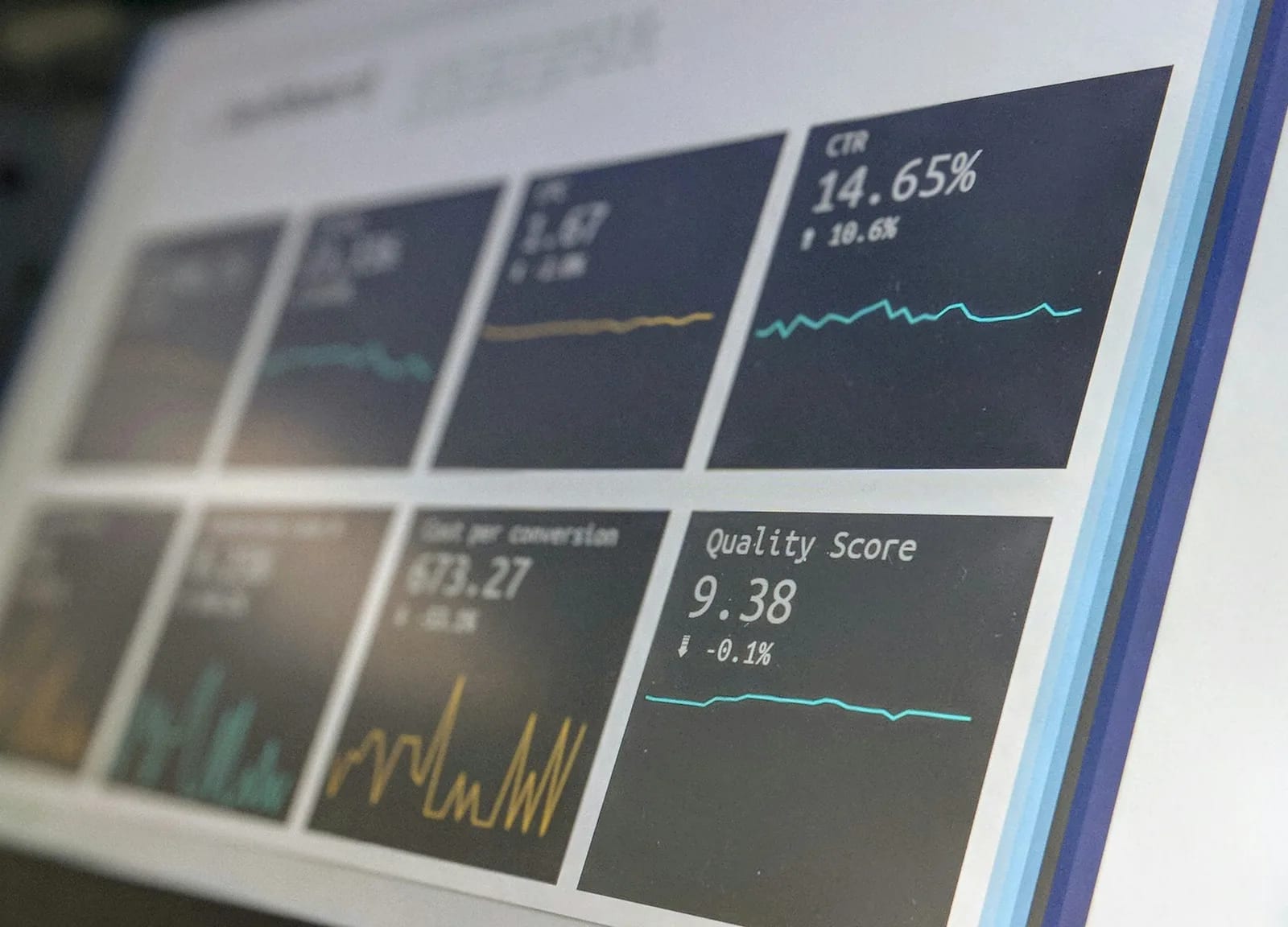
Most advertisers run a PPC audit to review their campaigns — keywords, bid strategies, ad copy, budget allocation. But a complete Google Ads PPC audit must extend beyond the campaign dashboard and into the landing page experience, because Google evaluates your page too. Google's Quality Score — rated 1 to 10 — directly measures how relevant your ad, keyword, and landing page are to one another. A low Quality Score means you are paying more per click than competitors bidding on the exact same keywords. In other words: a bad landing page does not just lose conversions, it inflates the cost of every single click you buy.
When you run a PPC audit, one of the first things to check is the landing page experience component of your Quality Score. Google evaluates whether your landing page is genuinely helpful to people who click your ad — fast load times, relevant content, and a page that matches the intent behind the keyword. If someone searches 'best landing page optimization tools' and your ad sends them to a generic homepage, Google notices — and charges you a premium for the mismatch on every future click.
A thorough Google Ads PPC audit should map every active ad group to its destination page and answer these questions honestly:
Broken or missing conversion tracking surfaces in almost every PPC audit — and it is the most dangerous finding of all. If your Google Ads account is not recording conversions accurately, every optimization decision you make is based on bad data. Verify your conversion goals are configured correctly in Google Ads, confirm your Google Tag fires on the right pages, and make sure you are tracking the events that actually matter — form submissions, phone calls, purchases, or whatever a real conversion looks like for your business.
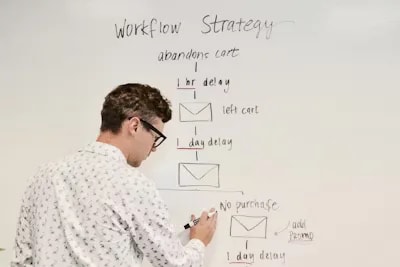
The reason so many Google Ads budgets get wasted is not because paid search does not work — it works exceptionally well when the full funnel is aligned. Budgets get wasted because advertisers treat the ad and the landing page as separate things when they are one connected experience. Every dollar you spend on Google Ads brings someone to a door. Landing page optimization is what ensures that door opens instantly, the room inside makes sense, and there is one clear next step waiting for them.
Quick action checklist for your next PPC audit:
Landing page optimization, conversion rate improvement, and a thorough Google Ads PPC audit are not three separate projects — they are one continuous loop. Fix the page, improve the Quality Score, reduce your cost-per-click, reinvest the savings into more traffic. Start with the audit. The rest follows.
Every high-converting landing page should include one clear goal, a benefit-driven headline that matches the ad, a visible above-the-fold CTA button, specific trust signals and social proof, benefits-focused copy, and fast loading speed under 3 seconds. Together, these elements form the foundation of effective landing page optimization for paid traffic.
A PPC audit is a systematic review of your paid campaigns — keywords, bids, ad copy, conversion tracking, Quality Scores, and landing pages — to identify wasted spend and missed opportunities. It is important because it replaces guesswork with data, typically uncovering budget leaks like broken tracking, poor message match, and low-relevance landing pages that quietly inflate your cost per acquisition.
Clicks only bring visitors to the page — conversions happen on the page itself. If the landing page is slow, confusing, mismatched with the ad message, or missing a clear call to action, visitors leave without acting no matter how good the ad was. Strong landing page optimization is what turns paid traffic into actual leads and sales.
A properly optimized landing page improves ad performance in two ways: it converts more of the visitors you already pay for, and it raises your Google Ads Quality Score — which directly lowers your cost per click. Better headlines, faster loading speed, clear calls to action, and mobile-friendly design compound into significantly better return on ad spend.
The most common Google Ads mistake is focusing exclusively on clicks and traffic while ignoring post-click performance. Without a fast, relevant, conversion-focused landing page, paid traffic fails to generate results regardless of how well the ad itself is written or how precisely the audience is targeted.


Sep 22, 2026
Facial recognition privacy rules in 2026 explained: BIPA, CCPA, EU AI Act, consent, retention, safer alternatives and a practical implementation checklist.
By Muhammad Hamza · CTO

Your trusted partner in innovative web solutions, delivering tailored development, design, and marketing services to elevate your digital presence and business growth.
info@clyrixdigital.com
© 2026 Clyrix Digital. All rights reserved.